IAM2879 – Business Developer Provides Individualized Addiction Treatment
Special Throwback Episode with Mark Shandrow

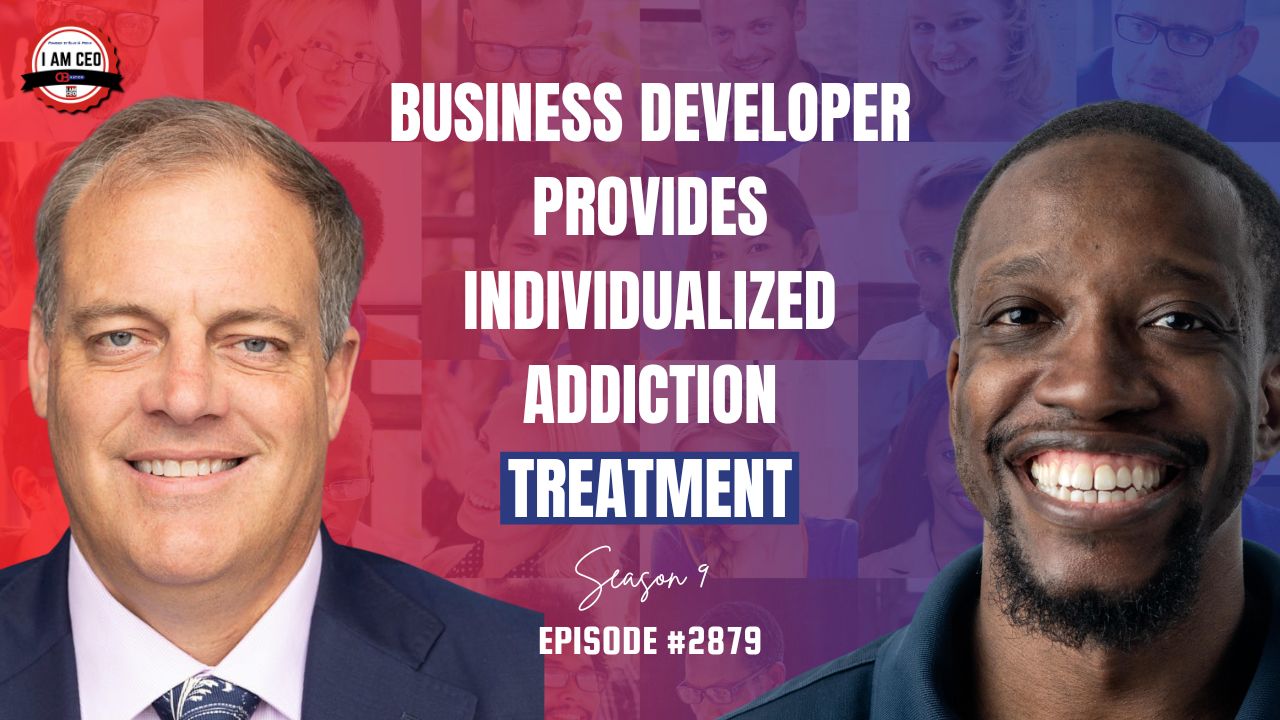
As CEO of Asana Recovery, Mark brings 20+ years of experience in business development and operations to help innovate and effectuate an exceptional, yet cost-effective, approach to addiction treatment that incorporates both traditional and alternative therapeutic methods and provides a truly individualized program of treatment for each client, thereby increasing the chances for real recovery.
- CEO Hack: Operating my business in front of the computer and leveraging remote work
- CEO Nugget: Have clean audited financials
- CEO Defined: The person who backstops at
Website: http://asanarecovery.com/
Previous episode: https://iamceo.co/iam512-business-developer-provides-individualized-addiction-treatment/
Hear Gresh's story, learn the 16 business pillars from the podcast, find out about CBNation Architects and why you might be one and so much more. Did we mention it was FREE? Download it today!
Transcription:
Mark Shandrow 00:00
My definition of being a CEO is the person who with the buck stops at you're it. You know, every single thing in a company is your responsibility.
Gresham Harkless 00:38
Hello, hello, hello, this is Gretch from the I Am CEO Podcast and I have a very special guest on the show today. I have Mark Shandreau of Asana Recovery. Mark, it's awesome to have you on the show.
Gresham Harkless 00:47
Thank you.
Mark Shandrow 00:47
I appreciate you saying the invitation after me.
Gresham Harkless 00:50
Yeah, absolutely. I'm glad you can join us. And what I wanted to do is just read a little bit more about Mark so get here about all the awesome things that he's doing. And as the CEO of Asana Recovery, Mark brings 20 plus years of experience in business development and operations to help innovate and effectuate and excel exceptional, yet cost effective approach to addiction treatment that incorporates both traditional and alternative therapeutic methods and provides a truly individualized program of treatment for each client, thereby increasing the chances for real recovery. Mark, are you ready to speak to the I Am CEO community?
Mark Shandrow 01:21
Yes, I'm excited about it. Thank you.
Gresham Harkless 01:22
Awesome. Let's do it. So to kick everything off, I wanted to hear a little bit more about what I call your CEO story and what led you to get started with the business.
Mark Shandrow 01:29
Sure, sure. Well, I appreciate that. You know, currently Gresham, this is my 10th year in this particular industry. This is my third industry I've been in in my career as a, you know, CEO and entrepreneur. Primarily, you know, the main business we are is in is Asana Recovery, which is a residential treatment center. And what that means is the people that are suffering from alcohol or drug addiction, which I'm sure you know, with the increasing, you know, problems that are happening here in the United states, you know, one in, it's something like one in 10 people, it affects their lives directly with either a loved one, you know, family member, or a child, you know, is afflicted with drug or alcohol addiction. So our program, we're located here in Southern California and what we do is we provide first what's called medical destabilization or detox. So what we do is we, you know, help the clients get all the drugs out of their system. You know, they go through medical detox, which is where they have 24, seven nursing. They have a doctor there, they get the drugs and alcohol out of their system. And then this is the real hard part. And then we get, start working on them, you know, really helping them identify what their issues are, why they keep continuing to destroy their life with using alcohol and drugs and work with them through these, through these, you know, processes, through what they call evidence based practices, whereas either DVT or different types of therapy to get them to number one, identify the problem, secondly, really learn how to cope with it. And lastly, you know, getting our clients back to, you know, functioning know, productively in society, whether it's getting back to their job, whether they're going back to school, whether they're just going back to their family and being a productive memory member of their family household, you know, that's our goal is to get people kind of on the right track, you know, and you know, typically it's a 30 to 60 day stay and then back into life.
Gresham Harkless 03:12
Well, I appreciate you for, you know, for, for working, you know, with the clients and helping, you know, people out with that. And I think all, all the time. Sometimes we just think about the clients that you probably work with directly. But as you mentioned in the 1 in 10 of the families and friends and you know, members of society that are probably have been impacted or have, you know, maybe sometimes a negative result as a result of that. So you, you know, being able to help out those clients, which kind of sounds like has like a domino effect to help out like the greater society as well. Absolutely.
Mark Shandrow 03:37
You know, and you know, this, you know, this affliction affects a lot of people and not, you know, not only is, it's really not an individual thing, I mean, it might affect you personally, but that has ramifications, right? That hits, that hits your, your, your children, your loved ones and also financially, you know, and a lot of our clients, unfortunately, they are business people. You know, they're running their own businesses and, and the businesses have put a lot of stress on them and they're, they're trying to reduce that stress with use of alcohol or drugs. And what we do is try and get them to deal with that stress without those substances.
Gresham Harkless 04:06
Right. And I definitely appreciate you, you know, doing that and obviously bringing that up as well too because a lot of times when people are, you know, extreme drivers, as often entrepreneurs and business owners are where they want to, you know, go, go, go, a lot of times you don't take that time to kind of take care of yourself. And make sure that you're having a good well being and sometimes, you know, you run off the rails and you on the rails before, you know, you have the opportunity to kind of make that, those chances or decisions before that. So I appreciate you for mentioning that also, of course, you know, helping out so many of the business community.
Mark Shandrow 04:33
Yeah, absolutely, my pleasure.
Gresham Harkless 04:35
Yeah. And I know you might have already touched on this, but could you take us through exactly like how your, your, your, your center works and how, you know, clients can find out more information and get started?
Mark Shandrow 04:45
Sure. You know, you know, we're located as I mentioned, here in Southern California in Orange county, you know, about a block from the beach. You know, it's a nice, tranquil, kind of relaxing setting with the beach and a lot of parks and great weather. And so half of the clients that we treat actually flying in from other states. You know, most people find us actually on the Internet with our, at our website, asana recovery.com and they, you know, they're doing their Google searches, they identify our website, they look at it and they call in and they check, you know, primarily first to see if they're a candidate for our program and then if they have the insurance that qualifies. We're currently what's called an out of network provider so that if you had like a PPO insurance plan, you'd be able to come to our program. And as I mentioned, half of the people fly in. So we might get a call from, you know, a concerned husband, a, you know, someone that's in college that's struggling. It could be anybody, you know, a grandmother that is taking too many pills, you know, attorney that's drinking too much. You know, they'll call us, we'll check their benefits to make sure they qualify and then we'll do an assessment to make sure that this is the right program from there for them that we can get, get them to where they want to be and they'll fly in and we'll pick them up the airport. We'll, you know, we'll shuttle them to our program and there they'll be assessed by a doctor and a nurse and the medical team. We'll make sure that we'll check, you know, we'll, we'll do a complete blood workup, we'll do a complete health screening, wellness check. You know, go through all of that stuff and then, you know, start detoxing them off of alcohol and drugs. You know, a lot of times, especially with, for example, alcohol and what are called benzodiazepines, you have a high propensity of, of seizure and you can actually die for it from detoxing off the drugs. So we, we help people kind of manage through that process. And if it's heroin, for example, those are mostly heroin, which is, you know, a big killer. The opiates now are killing something like 65,000Americans a year. And the opiates, you typically detox them off of what's called, use a drug called Suboxone, and that you're not going to die detoxing off of heroin, but it's incredibly uncomfortable. And so the idea is that these medic, these drugs allow them to detox off the drugs, help with the physical symptoms of the nausea, the headaches, the, you know, they feel like they want to come out of their skin. And then that usually takes about seven to 10 days. And that's 24 hour nursing. And then once that happens and their mind starts to clear out a little bit, then they start doing group meetings with a group when they meet with a therapist and other individuals in the program. We also do a lot of one on one therapy where they're working with a therapist and trying to identify other problems, whether it's trauma related, whether it's, you know, ptsd, a lot of ptsd, you know, things like that that are kind of driving down their underlying addiction. And then also at nighttime they're going to AA meetings in the local community. They're, they're understanding that, you know, they need to live a life of recovery. And what that means is really managing this challenge that they have and adapting to it and creating habits that support a healthy lifestyle. Like you mentioned, you know, whether it's, you know, getting up every morning and doing meditation, whether it's getting up every morning and going to the gym, that's a big part of our program. A lot of this wellness, you know, going to the beach, you know, taking time for yourself, really understanding that, you know, it's hard to go, you can't go 24,7 unless you have a drug, you know. Right. You know, and you got to really manage that and helping people understand that and working through those and then hopefully getting them back into, you know, their family and then back to, back to their life and being a productive member of society and continuing to grow and, and help other people. A big part of this journey in recovery for a lot of people is, is being of service to others. And that's a big founding philosophy that our company has as well as our treatment philosophy is that, you know, we're here to Be of service to others. You know, we're here to help other humans, you know, survive through this challenging world that we all live in. And that's how you're going to become healthier, is if you help others.
Gresham Harkless 08:34
Yeah, that makes so much sense. And again, I definitely, you know, appreciate that. And I think, you know, so many times I don't know if you definitely, you know, have heard this from clients where sometimes when you're dealing with whatever the issue is and, you know, sometimes you fall into that depression and you start to, you know, cope with it and drugs and alcohol that you feel kind of like you're by yourself. And often, you know, you want sometimes to get the help. You want somebody to kind of lean on, but you kind of feel that you're by yourself. So sometimes those drugs and alcohol become those people that you kind of. As people, I should say in air quotes, that you kind of reach out to hopefully feel better and be able to deal with some of the things. But that's why I, you know, appreciate you guys, you talking about, like, those underlying issues, because I think a lot of times you can gloss over that, you can detox, but if you don't really get to the root what the
Mark Shandrow 09:14
issue is, it's hard to. Yeah, and they relapse. You know, you relapse. If you're not really dealing with it, you'll relapse. And that's what happens, unfortunately, and a lot. And the reason that our programs are so important for, you know, society is that people do relapse. And it takes. Sometimes it takes 2, 3, 4. You know, you don't really want to have this conversation with the family, but, hey, you know, they might take them eight or nine, 10 times. You know, it's not a pleasant thing, but.
Gresham Harkless 09:35
But, yeah, absolutely. Are there, like, certain. Maybe like, warning signs or things that you. That people can hear, you know, hear from their, you know, coworkers or, you know, loved ones that may. May show that they do need to take that step?
Mark Shandrow 09:48
Yeah, you know, that's a good question. And I. I think it. It kind of comes in two different areas. You know, those that have been through some sort of recovery program and those who have not, those that have gone through a program and typically they have a very fixed schedule, you know, and, you know, it's designed for that. You know, they're. They're going. They're working out every day. They're. They're going through their meetings, they're doing their groups, they're doing their sponsoring. They're helping people when, when people start, you know, dropping out of their meetings, they stop working out, you know, they, you know, that's when that's a big trigger, you know, that's a big sign, right? That's a huge sign. When they're not participating. The other people that haven't gone through recovery or just kind of, which is a lot of. It's just dealing with it, you know, it's, it's, you know, are they drinking and using too much? You know, is this affecting their personal life? Is this affecting their work? You know, are they being irresponsible? Here's another one. Are they taking high risk, A lot of high risk activities? You know, whether it's, you know, you know, dealing with, you know, driving under the influence, using intravenous drug use, dealing with, you know, prostitution and kind of the sex industry, you know, a lot of those high risk behaviors are associated with substance abuse. So if you see those, that in people, you know, the best thing to do and that's the challenge. What do you do? You know, how do I deal with this? And it's not easy, you know, it's not an easy thing to confront somebody that has an addiction. The best thing to do is, you know, get with their family, try and figure out a plan with the family and friends. And then ultimately what you have to do is confront that person. You have to do an intervention of some type and let them know that you guys all care, that you're important to them and that they need to get help. And hopefully you've been able to line something up where once you intervene with them and discuss that they're on a plane, a bus, in the car, going to treatment to get clean and start working on themselves.
Gresham Harkless 11:34
You've already kind of, you might have already kind of touched on this, I should say. I wanted to ask you for what I call your secret sauce. It could be for you personally or for your organization, but do you feel like it's that being of service which kind of sets you guys apart and makes you unique?
Mark Shandrow 11:46
Yeah, exactly. I think that's the secret sauce with me personally and all my businesses I've owned and run. And then also this one, it is being of service, you know, always looking at, you know, I mean, we talk about it here, we talk about the, you know, this business customer experience. What's our customer experience like? You know, how are we being of service to them from the first phone call they make to the west side of the land on to when they walk in the door? I mean, for us, obviously, it's very lot of interaction. You know, a person is in your care 24, seven for, you know, 30, 60, 90 days. That's obviously a lot of touching, you know, so you want to make sure that you know, all of those, you know, everything is lined up and that you're really focused on giving them that great customer experience but also being a little bit more individual, individualized. And that's one of our unique selling propositions for our particular company within this industry is that we are, we really work on being, you know, there are a lot of evidence based practices that say you do this, do this, do this, this and it works. But then there's that personal touch, you know, and that's what we really try to do. You know, what's that extra something? And you know, for us it's, it's, you'd be surprised in our business it's, we identify when we first interact with the client that wants to come in. They've committed to coming in, coming in. We identify either a person, place or thing that is special to them.
Gresham Harkless 13:01
I definitely appreciate that, appreciate you for doing that. And I wanted to switch gears a little bit and I wanted to ask you for what I call a CEO hack. So this could be like an Apple book or a habit that you have and I know you've had multiple business, but what you feel kind of makes you help she to be more effective and efficient.
Mark Shandrow 13:16
Someone told me this a long time ago, one of my first mentors and this is really I've tried to do is, you know, he, he, he was a real estate guy on the lab apartments and office buildings. And this was back, you know, in the early, you know, 1990s. And he was like, I try and operate my business as if I was in a wheelchair sitting at my desk and that's kind of what I don't try and do. Also, you know, I, as much as I like the human interaction, which I do, I still try and operate all my businesses. Whatever I get into from what we're doing here in front of a computer in my desk and then leveraging people, vendors, staff, employees, virtual assistants, that was a huge one for me, you know, really, you know, Tim Ferriss for our Workweek book was very impactful for me and changing my thinking about that maybe 20 years ago when it first came
Gresham Harkless 14:01
out, that definitely, you know, makes so much sense. And so now I wanted to ask you for what I call a CEO nugget. And this is like a word of wisdom or piece of advice or if you can hop into a Time machine. What would you tell your younger business itself?
Mark Shandrow 14:12
It comes down to when you're trying to exit a business or when you're trying to grow it or when you're trying to recapitalize it. And what it is is audited financials. I one of the biggest mistakes I've made throughout my business career, you know, I, in the, the previous company that I had before this one was we did about, in 2015, we did over 100 million in revenue and the company completely collapsed and went bankrupt because of our cash constraints. And, and the cash, cash flow just wasn't there. And we, we were trying to sell the business, we were trying to recapitalize it or we're trying to get financing. And we couldn't do any of those because we did not have good, clean, audited financials.
Gresham Harkless 14:49
Yeah, that makes so much sense. So I appreciate you sharing that with us and I wanted to ask you my absolute favorite question, which is the definition of what it means to be a CEO. And we're hoping to have different quote unquote CEOs on this show. So Mark, what just being a CEO means to you.
Mark Shandrow 15:02
What is my, my definition of being a CEO is the person who with the buck stops that. You're, you're, you're, you're it. You know, every single thing in a company is your responsibility.
Gresham Harkless 15:11
I appreciate that definition. I appreciate that perspective, appreciate your time even more. And what I want to do is pass you the mic, so to speak, just to see if there's anything additional you want to let our readers and listeners know and then of course, how best they can get a hold of you and find out about all the awesome things you guys are working on.
Mark Shandrow 15:25
You know, you can reach us like me asana recovery.com that's asana recovery.com my email. You can always email me Mark Shandreau sauna recovery.com I'm happy to respond.
Gresham Harkless 15:39
Awesome, awesome, awesome. Thank you so much again, Mark. And we will have that link and information in the show notes that everybody can follow up with you. But thank you again for that reminder as well too, because we all have a platform. We all have the ability to be able to, you know, make a better world. And we do that a lot of times by the actions that we take. So first of all, thank you for doing that and thank you for of course, reminding us of that.
Mark Shandrow 15:56
So I hope you have a north there.